
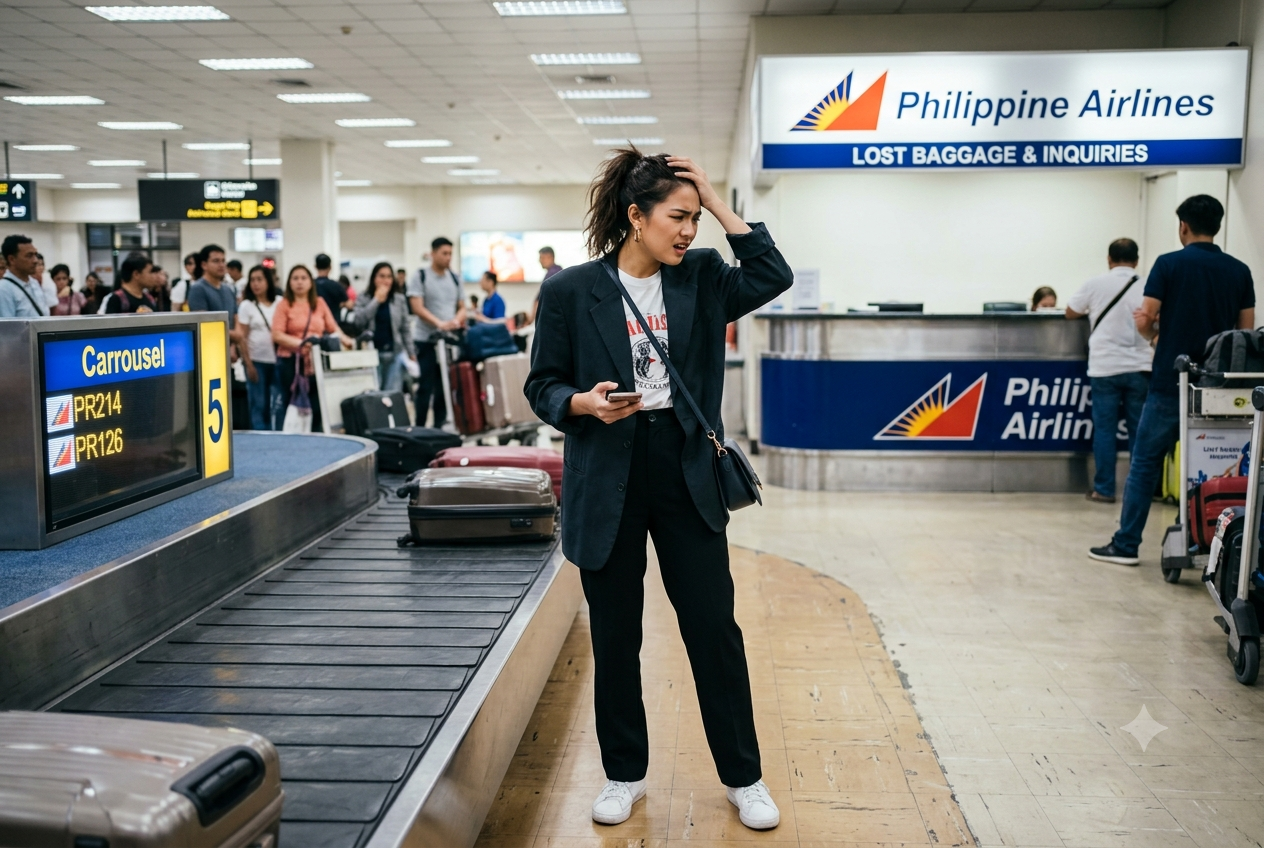
Losing your luggage can quickly turn an exciting trip into a stressful experience. Whether you're flying between Manila and Cebu or traveling internationally from Manila to Los Angeles, understanding the Philippine Airlines Lost Baggage process helps you recover your belongings faster and protect your rights. This guide explains what to do if your checked baggage is delayed, damaged, or missing, how compensation works, and what documents you need to file a successful claim. If you need travel assistance or guidance during the process, you can also contact +1-855-869-7071.
This article includes the latest airline policy updates and booking changes applicable for 2026.
Disclaimer: We are an independent travel assistance agency, not officially affiliated with any airline, but here to help you with your travel queries and support you every step of the way.
What Is Considered Lost vs Delayed Baggage?
Not every missing suitcase is officially considered lost. Most airlines, including Philippine Airlines, first classify missing luggage as delayed while search efforts continue.
Key differences include:
Delayed baggage: The bag is located or expected to arrive on a later flight.
Lost baggage: The airline determines the luggage cannot be located after completing tracing procedures.
Damaged baggage refers to baggage that arrives with broken wheels, torn fabric, or other visible damage.
Travelers should report missing baggage before leaving the airport whenever possible.
Keep your baggage claim tag until your journey is fully completed.
Understanding these definitions helps you follow the correct Philippine Airlines lost luggage policy and avoid unnecessary claim delays.

Steps to Report Lost Baggage at the Airport
The first few minutes after discovering your luggage is missing are the most important. Acting quickly increases the chances of successful recovery.
Follow these steps:
Visit the airline's baggage service desk before exiting the baggage claim area.
Complete a Philippine Airlines baggage report with accurate contact details.
Present your boarding pass, baggage tag, and identification.
Request a Property Irregularity Report (PIR) reference number.
Keep copies of every document and communication.
If you need assistance understanding the reporting process, contact +1-855-869-7071 for travel support.
Many passengers flying routes such as Manila–Singapore or Cebu–Tokyo successfully recover delayed bags within a few days after filing reports promptly.
How to Track Missing Luggage
After reporting the issue, travelers should actively monitor the progress of their luggage search.
The Philippine Airlines baggage tracking process generally includes:
Using the baggage reference number provided at the airport.
Checking online baggage status when available.
Responding promptly if the airline requests additional information.
Keeping your phone number and hotel address updated.
Monitoring email notifications regarding delivery.
For international trips, baggage may arrive on the next available flight, especially if connections were affected by weather, customs inspections, or transfer delays.
Airline Baggage Claim Process Explained
Understanding the Philippine Airlines lost baggage claim procedure helps passengers know what to expect.
Typical claim stages include:
Missing baggage report filed.
Airline begins tracing through international baggage systems.
Airport teams coordinate with connecting airports.
Passenger receives status updates.
Bag is located and delivered or compensation procedures begin if recovery is unsuccessful.
The investigation timeline depends on the itinerary, connecting airports, and baggage routing history.
New User Flight Booking Discounts
If you're planning another trip after resolving your baggage issue, look for New User Flight Booking Discounts offered by many booking platforms. Eligible first-time users may receive up to 50% off flights, making future travel more affordable while comparing flexible baggage policies before booking.
Compensation and Reimbursement Policies
Travelers often ask whether they qualify for Philippine Airlines baggage compensation after luggage problems.
Compensation may depend on:
Whether baggage was officially declared lost.
Applicable domestic or international regulations.
Verified value of lost belongings.
Supporting purchase receipts.
Airline liability limits.
Compliance with claim deadlines.
Passengers may also qualify for reimbursement of reasonable emergency purchases when baggage is significantly delayed, provided receipts are retained.
The exact amount varies depending on applicable transportation rules and supporting documentation.
Damaged Baggage vs Lost Baggage Claims
Lost baggage and damaged baggage are handled differently.
If your luggage arrives damaged:
Report the damage immediately.
Photograph the suitcase before leaving the airport.
Request an inspection.
Save repair estimates if applicable.
Do not discard damaged baggage before the claim is reviewed.
If your luggage never arrives, the process follows the Philippine Airlines missing luggage investigation rather than a damage claim.
Domestic vs International Lost Baggage Rules
Rules may differ depending on where you travel.
Domestic travel generally involves airline-specific baggage policies, while international travel may also follow international aviation agreements governing baggage liability.
Important differences include:
Reporting deadlines may vary.
Compensation limits may differ.
International tracing often involves multiple airports.
Customs clearance can delay baggage delivery.
Cross-border deliveries may require additional documentation.
Whether traveling from Manila to Davao or Manila to San Francisco, reporting promptly remains the most important step.
Required Documents for Filing a Claim
Having complete paperwork speeds up the claim process considerably.
Prepare:
Boarding pass.
Government-issued identification.
Original baggage claim tag.
Property Irregularity Report.
Proof of ownership when available.
Purchase receipts for valuable items.
Photos of damaged luggage if applicable.
Travel itinerary.
Incomplete documentation is one of the most common reasons baggage claims take longer to resolve.
Baggage Delivery and Recovery Timelines
Once baggage is located, delivery arrangements begin.
Recovery may involve:
Airport pickup.
Hotel delivery.
Residential delivery.
Delivery through local courier services.
Coordination with destination airport baggage offices.
Many delayed bags are recovered within several days, although international transfers involving multiple airlines can occasionally require longer searches.
New User Flight Booking Discounts
Smart travelers often compare airline baggage allowances before booking future trips. Many travel platforms provide New User Flight Booking Discounts, allowing first-time customers to save up to 50% off flights while selecting itineraries with convenient baggage policies and fewer layovers.
What Happens if the Bag Is Never Found?
Although most delayed baggage is eventually recovered, some bags are officially declared lost after extensive tracing efforts.
When this happens:
Final investigations are completed.
The airline evaluates the claim.
Supporting documentation is reviewed.
Eligible compensation is processed according to applicable liability rules.
The baggage file is formally closed.
Passengers should retain copies of every email, receipt, and claim reference until the process is completed.
Tips to Prevent Lost or Delayed Luggage
Prevention remains the best travel strategy.
Helpful recommendations include:
Label luggage inside and outside.
Remove old baggage stickers.
Photograph your suitcase before travel.
Pack essential medication in your carry-on.
Keep valuables and electronics with you.
Arrive early for check-in.
Retain baggage receipts throughout your trip.
Consider direct flights when possible.
Save your Philippine Airlines baggage contact information before departure.
If you need independent travel guidance before or after your journey, call +1-855-869-7071.
These simple habits significantly reduce recovery delays and improve tracing accuracy.
Traveler Rights Under Airline Baggage Policies
Passengers have important rights when checked baggage is delayed, damaged, or lost.
These generally include:
The right to file a baggage report.
The right to receive baggage tracing updates.
The right to submit reimbursement requests where eligible.
The right to request compensation under applicable regulations.
The right to appeal or provide additional documentation if requested.
Understanding these protections makes it easier to recover lost baggage Philippine Airlines while following the required procedures.
Frequently Asked Questions
How do I check my Philippine Airlines delayed baggage status?
Passengers can monitor Philippine Airlines delayed baggage using the baggage reference number issued after filing a report. Keep your contact information updated and regularly review baggage status notifications. If you need independent travel assistance understanding the process, you may call +1-855-869-7071.
Is PAL compensation for lost baggage?
Yes, Philippine Airlines may provide compensation for lost baggage if the luggage cannot be recovered after completing its tracing process. The amount depends on applicable domestic or international regulations, the circumstances of the loss, and the supporting documents submitted. Passengers should file their claim promptly and retain all baggage-related receipts.
Can I get reimbursed if my luggage is lost?
Yes, you may be eligible for reimbursement if your luggage is officially declared lost. Airlines typically require proof of ownership, baggage claim tags, travel documents, and receipts for valuable items or essential purchases. Reimbursement is subject to the airline's baggage policy and applicable liability limits for your itinerary.
What is the process of a lost baggage claim?
The lost baggage claim process begins by reporting the missing luggage at the airport and completing a Property Irregularity Report (PIR). The airline then traces the baggage, provides status updates, and requests supporting documents if necessary. If the bag is not recovered, passengers can submit a compensation claim for evaluation.
How do I make a claim for lost baggage?
To make a lost baggage claim, report the missing luggage before leaving the airport, obtain a reference number, and keep your baggage claim tag and boarding pass. Complete the airline's claim form, attach any required documents and receipts, and submit everything within the specified claim deadline for review.
Read More - How Many People Qualify for Garuda Group Travel? (2026 Update)
Final Thoughts
Experiencing Philippine Airlines Lost Baggage can be frustrating, but acting quickly, keeping your documents organized, and understanding the airline's procedures greatly improve your chances of a successful outcome. File reports immediately, follow baggage tracking updates, retain receipts, and know your compensation rights before submitting a claim. If you need independent travel assistance regarding baggage concerns, booking support, or claim guidance, Airfare Policies can help. For additional assistance, contact +1-855-869-7071.